Nigeria’s security situation is often discussed in terms of insurgency, banditry, and communal conflict. While these remain important, there is growing evidence that economic pressure is also playing a major role in shaping insecurity across the country.
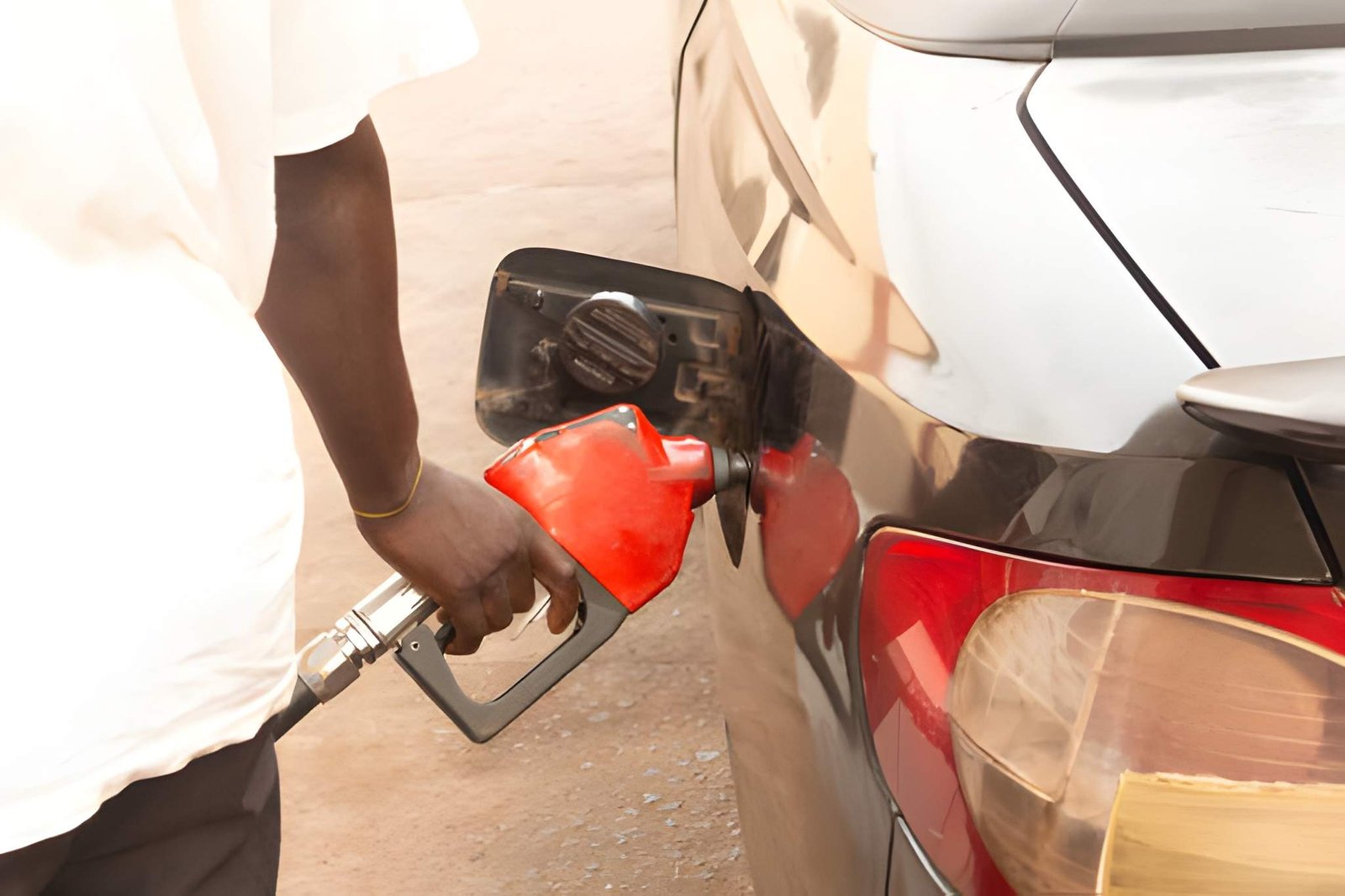
Fuel price changes are a key part of this shift.
When fuel prices increase, the effects are felt almost immediately. Transport becomes more expensive, food prices rise, and businesses face higher operating costs. These changes put pressure on households, especially in a period already marked by inflation, unemployment, and reduced purchasing power.
In major cities like Lagos and Abuja, the impact is even more visible. People spend more on daily movement, businesses adjust prices, and many households struggle to keep up with rising costs. These economic pressures often lead to changes in behavior.
One of the key concerns is how this affects security.
As financial pressure increases, some individuals become more vulnerable to engaging in or falling victim to crime. The Nigeria Risk Index 2025 Report shows that crimes driven by financial gain - such as kidnapping for ransom, armed robbery, and targeted attacks - tend to increase during periods of economic difficulty, especially in densely populated areas.
This does not mean fuel price increases directly cause crime. However, they create conditions that make certain types of crime more likely.
There are several ways this happens. Higher fuel costs reduce disposable income, making it harder for people to meet basic needs. Increased transport costs also affect how people move, sometimes creating predictable patterns that criminals can exploit. At the same time, economic hardship can increase frustration, which may lead to protests or local unrest.
The impact is not the same everywhere. According to the Nigeria Risk Index 2025, areas with higher population and stronger economic activity tend to respond faster to economic pressure, with more noticeable changes in crime patterns. Other areas may experience these effects more slowly or in different ways.
Public perception also plays a role. In cities, security incidents spread quickly through social media and news platforms. This can make the situation feel worse, even when the number of incidents has not increased significantly. However, perception alone can influence behavior, including how businesses and residents respond to risk.
There is also evidence that criminal activity is becoming more organized. Some incidents now involve better planning, target selection, and coordination. This suggests that criminals are adjusting not only to security measures but also to economic conditions.
For businesses, the impact is clear. Rising fuel costs increase expenses and also raise security concerns, especially for operations that depend on movement and logistics. Many companies are responding by increasing security spending, reviewing their operations, and strengthening risk management systems.

Fuel price changes should therefore be seen as an important factor in Nigeria’s security environment.
They do not create insecurity on their own, but they increase pressure on existing systems and can make security challenges more intense and more visible.
If economic pressures continue over time, Nigeria may face a situation where economic conditions and security risks are closely linked. This makes it important for both policymakers and businesses to consider economic trends when assessing security risks.
Monitoring these patterns - especially through platforms like the Nigeria Risk Index - will be important for understanding how economic changes continue to shape security outcomes in the coming years.