As missiles fly between the hills of Iran and the streets of Tel Aviv, a different kind of shockwave is travelling south-west, towards the Gulf of Guinea. For Nigeria, the expanding conflict in the Middle East is not merely a diplomatic headache to be managed with carefully worded statements from the Ministry of Foreign Affairs. It is a multi-layered stress test for a nation already navigating its own precarious economic and security equations. The fallout promises to be felt from the opulent boardrooms on Victoria Island to the tense streets of Kaduna, forcing the administration of President Bola Tinubu into a high-wire act of balancing international pressure, domestic stability, and economic reality.
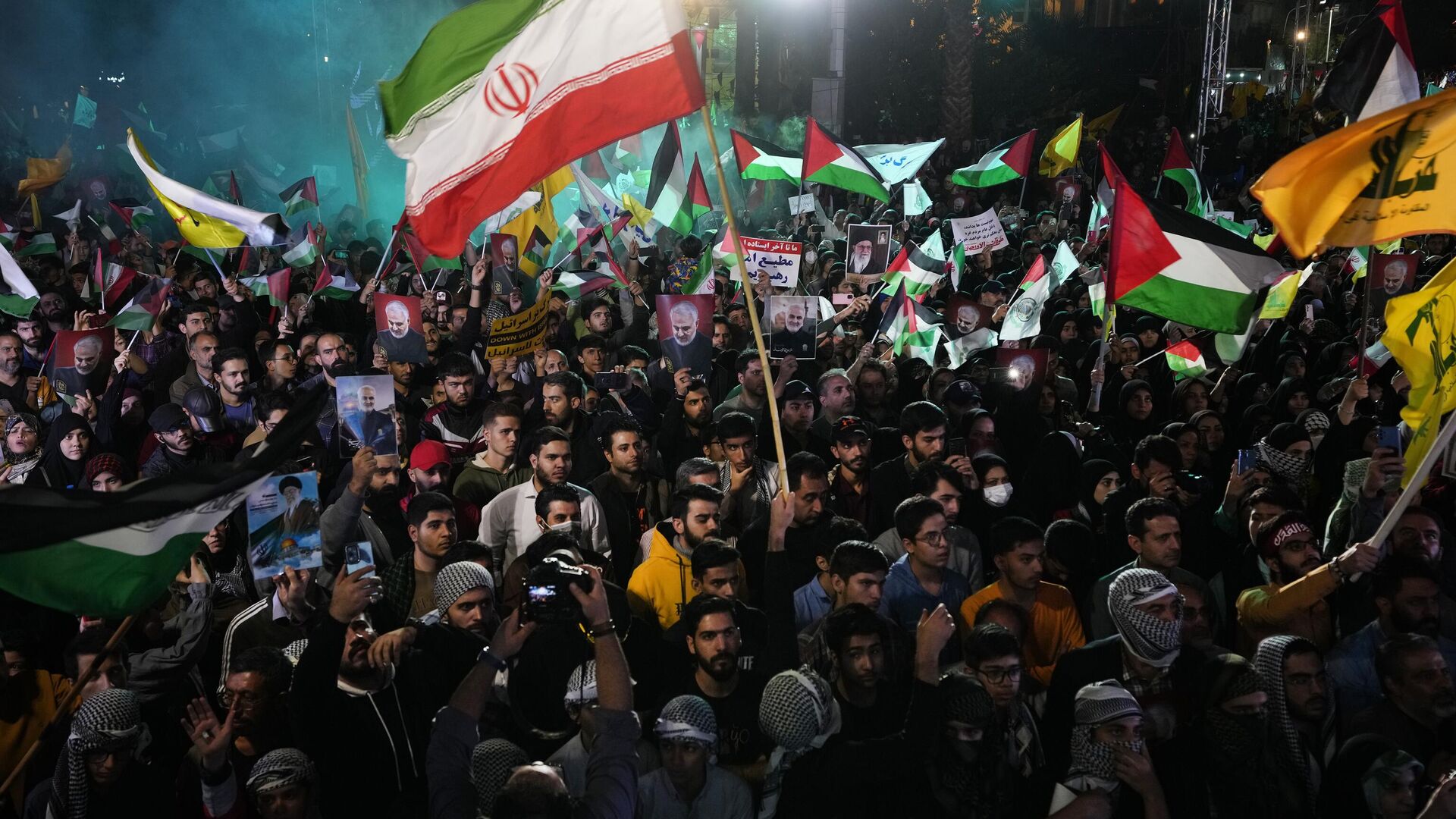
The most immediate concern for the security establishment is the potential for the conflict to ignite smouldering domestic kindling. For years, the Islamic Movement in Nigeria (IMN), a Shia group with historical ties to Tehran, has been a source of friction, particularly in the north. While the group has been weakened by a sustained state crackdown following the 2015 Zaria massacre, the ideological connection remains a potent variable. A full-blown war casting Iran as the defender of the global Muslim cause could provide a powerful recruitment and mobilisation tool, transforming latent grievances into active protest. The sight of Nigerian Shia youths burning Israeli or American flags would be more than just a law and order issue; it would be a signal that the conflict’s propaganda war has successfully landed on Nigerian soil. The police and the Department of State Services (DSS) are likely already mapping out contingencies to prevent the IMN from exploiting the moment to force a confrontation with the state.
Beyond organised groups, the broader security landscape faces the threat of ideological contamination. The Lake Chad Basin, already a cauldron of insurgency, is sensitive to shifts in the global jihadist narrative. While Boko Haram and its ISWAP splinter group are primarily local actors, they have proven adept at framing local grievances within global conflicts to inspire followers and attract funding. A prolonged Middle East war, framed as a sectarian or anti-Western crusade, could inject fresh venom into the insurgency, potentially complicating the already difficult task of the Multinational Joint Task Force.
On the economic front, Nigeria confronts a paradox. As an oil-dependent state, the initial surge in global crude prices following any Middle Eastern tension is traditionally greeted with quiet satisfaction in Abuja. A spike in the Brent crude price bolsters government revenues and provides a thicker cushion for the naira. However, the relief is superficial. Nigeria’s refining incapacity means it remains a major importer of refined petroleum products. Consequently, any price surge is a double-edged sword: it increases the value of the crude the government sells, but it dramatically inflates the cost of the Premium Motor Spirit (PMS) it must import, straining subsidy budgets and pushing up the cost of everything from transport to manufacturing. For businesses already battling foreign exchange scarcity and high energy costs, this imported inflation could be the final straw, forcing closures and layoffs.
The logistics arteries of Nigerian commerce are also at risk. The conflict’s potential to spill into the Strait of Hormuz, a chokepoint for global energy and cargo shipping, sends immediate tremors through the maritime insurance industry. Premiums for vessels heading towards West African ports could rise, a cost that will ultimately be passed on to Nigerian importers. For a nation grappling with port congestion and high import duties, any additional friction in the global supply chain will translate directly into higher prices for goods, from construction materials to consumer electronics. The pain will be most acute for manufacturers relying on just-in-time deliveries of raw materials; a delayed consignment is not just an inconvenience, it is a halt in production.
This volatility creates a treacherous environment for foreign direct investment. The global investor community, already skittish about emerging markets due to rising US interest rates, is now confronted with geopolitical risk on a grand scale. In such a climate, capital flees to safe havens. Nigeria, despite its market size and potential, is often perceived as a high-risk, high-reward bet. The addition of a major war to the global landscape, with unpredictable effects on oil prices and supply chains, will only sharpen the risk aversion of portfolio investors. The hot money that Nigeria needs to stabilise its currency and stock market may become even scarcer, while multinationals considering expansion may put plans on hold until the global fog clears.
The humanitarian dimension, often an afterthought in geopolitical analysis, could deliver the most punishing long-term blow. Nigeria is a massive food importer, particularly of wheat and fertiliser. Ukraine and Russia are traditional breadbaskets, but a wider conflict involving Iran could disrupt shipping and insurance in the Black Sea and beyond, mirroring the shocks of 2022. Furthermore, any spike in global energy prices makes nitrogen-based fertilisers, whose production is energy-intensive, significantly more expensive. For the average Nigerian farmer, this translates to higher input costs and lower yields. For the urban poor, it means the price of a loaf of bread or a bag of rice climbs further out of reach, adding to the country's already alarming rates of food insecurity. This is where macroeconomic pressure translates directly into human misery and potential social upheaval.
All of this places Nigeria’s foreign policy in a delicate bind. Abuja has historically cultivated a stance of non-alignment, maintaining relations with both the West and the Muslim world. It condemns violence but often stops short of taking sides. This balancing act will be severely tested. Pressure from Washington to take a firm stance against Iran will be intense, while domestic Muslim constituencies, and the influential ulama, will expect solidarity with Palestinians, who are often conflated with the broader conflict. A misstep could alienate key Western partners, upon whom Nigeria relies for security assistance and investment, or inflame domestic religious tensions. The Tinubu administration must navigate this diplomatic minefield with extreme care, articulating a position that prioritises Nigerian national interest and the protection of its citizens, including the sizeable diaspora community in the Middle East who may face evacuation or hardship. For Nigeria, the war in the Middle East is a mirror reflecting its own vulnerabilities, and the response it crafts will determine whether the country emerges from the crisis weakened or tempered.